
What Are Omega-3s?
Omega-3 fatty acids, commonly found in fatty fish, are essential nutrients that offer numerous health benefits. These healthy fats play a crucial role in maintaining overall health, particularly heart and brain health. There are two main types of omega-3s: eicosapentaenoic acid (EPA) and docosahexaenoic acid (DHA). EPA is primarily associated with cardiovascular health, while DHA is important for brain function. Another type of omega-3, alpha-linolenic acid (ALA), is found in plant-based sources such as flaxseeds, chia seeds, and walnuts. However, the body can convert ALA into EPA and DHA only in small amounts. To ensure sufficient intake, omega-3 supplements are often recommended. These supplements come in various forms, including fish oil capsules, liquid supplements, and even vegetarian options. However, it’s important to choose high-quality supplements to avoid the risk of consuming heavy metals or rancid fish oil. By incorporating omega-3s into daily diet or supplement routine, individuals can support healthy heart function, enhance brain health, and reduce the risk of chronic health conditions.
Types of Omega-3s and Foods That Contain Them
When it comes to omega-3 fatty acids, there are different types and sources to consider. The three main types of omega-3 fatty acids are eicosapentaenoic acid (EPA), docosahexaenoic acid (DHA), and alpha-linolenic acid (ALA).
EPA and DHA are found primarily in seafood, such as fatty fish like salmon, mackerel, and sardines. These are considered long-chain omega-3 fatty acids and are highly beneficial for the body. They are known for their positive effects on heart health, brain function, and reducing inflammation.
ALA, on the other hand, is found in plant oils such as flaxseed, chia seed, and canola oil, as well as in certain foods such as walnuts and soybeans. ALA is considered a short-chain omega-3 fatty acid and must be converted in the body to EPA and DHA. Although it is also beneficial, most research focuses on the health benefits of EPA and DHA.
To reap the full benefits of omega-3 fatty acids, it is recommended to include a variety of sources in your diet. By consuming seafood twice a week and incorporating plant oils and foods rich in ALA, you can ensure a good intake of omega-3s for optimal health.
Overall, understanding the different types of omega-3s and their food sources can help you make informed choices to support your overall well-being.
The Different Types of omega-3 Supplements
Omega-3 supplements are a convenient way to ensure adequate intake of these essential fatty acids, especially for those who may not consume enough through their diet alone. There are different types of omega-3 supplements available on the market, each offering unique benefits. Fish oil supplements are a popular choice as they contain EPA and DHA, the long-chain omega-3 fatty acids that have been extensively studied for their positive effects on heart health, brain function, and reducing inflammation. These supplements are typically available in both softgel and liquid forms, with options such as natural lemon flavor to improve taste. Another option is cod liver oil, which provides omega-3 fatty acids and vitamins A and D. For those following vegetarian diets, there are also omega-3 supplements derived from algae, which are rich in DHA. With a wide range of options available, individuals can choose the omega-3 supplement that best suits their specific needs and preferences.
What’s the difference between fish oil supplements and omega-3 supplements?
When it comes to omega-3 supplements, it’s important to understand the differences between fish oil and other forms. While fish oil is considered an omega-3 supplement, not all omega-3 supplements contain the same fats as fish oil.
Fish oil supplements specifically contain two main omega-3 fatty acids, known as EPA (eicosapentaenoic acid) and DHA (docosahexaenoic acid), which are primarily derived from fatty fish. These two fatty acids have been extensively studied for their potential health benefits, particularly for heart and brain health.
On the other hand, omega-3 supplements encompass a broader range of sources and provide various forms of omega-3 fatty acids, including EPA, DHA, and ALA (alpha-linolenic acid). These supplements can be derived from sources such as flax seeds, fish, algae, and walnuts.
ALA is found predominantly in plant sources, while EPA and DHA are predominantly found in fatty fish. However, the body can also convert a small amount of ALA into EPA and DHA.
So, while fish oil is a type of omega-3 supplement, it is important to note that not all omega-3 supplements contain the same fats as fish oil. It’s essential to read the labels and choose the one that suits your specific needs and preferences, considering the source and form of omega-3 fatty acids provided.
Is a liquid fish oil supplement better than capsules or tablets?
When choosing between a liquid fish oil supplement and capsules or tablets, several factors should be considered. One important factor is individual preference. Some people may find it easier to swallow capsules or tablets, while others may prefer the convenience of a liquid form.
Dosing is another factor to consider. Liquid fish oil supplements often allow for more precise dosing, as the amount can be easily measured using a dropper or teaspoon. Capsules or tablets, on the other hand, come pre-dosed, which may be more convenient for those who don’t want to measure each time.
Palatability is also a consideration. Liquid fish oil supplements may have a strong flavor and aftertaste that some people find unpleasant. However, they offer the advantage of being mixed into foods or drinks, making them easier to consume for those who struggle with the taste. Capsules or tablets, on the other hand, do not have a strong taste or aftertaste but must be swallowed whole.
Ultimately, the choice between a liquid fish oil supplement and capsules or tablets depends on individual preferences and needs. Some may find the convenience and ease of measuring of liquid fish oil supplements to be beneficial, while others may prefer the lack of taste and aftertaste of capsules or tablets.
One highly recommended liquid fish oil supplement is Nordic Naturals Ultimate Omega Liquid. This supplement is known for its high omega-3 fatty acid content and is derived from sustainably caught wild-caught fish. It undergoes third-party testing to ensure quality and purity, giving consumers peace of mind. However, it’s important to note that the liquid’s strong flavor and aftertaste may not be appealing to everyone.
Factors to Consider When Choosing the Best Omega-3 Supplement
When choosing the best omega-3 supplement for your needs, several factors should be considered. These include the source of omega-3 fatty acids, the form of the supplement, the available dosing options, and the product’s palatability. By taking these factors into account, you can find a supplement that is most convenient and enjoyable to incorporate into your daily routine.
2. Sustainability
When choosing an omega-3 supplement, sustainability should be a top consideration. Sustainability is important for the long-term health of our oceans and the fish populations that inhabit them.
Companies that prioritize sustainability take steps to ensure responsible fishing practices. They understand the importance of maintaining the balance of marine ecosystems and minimizing their environmental impact.
One way these environmentally responsible companies demonstrate their commitment to sustainability is by being transparent about their fishing practices. They provide information about where and how their fish are caught, as well as the methods they use to minimize bycatch and protect endangered species.
Seeking out sustainability certifications is another indicator of a company’s commitment to responsible fishing. Certifications such as the Marine Stewardship Council (MSC) or Friends of the Sea provide assurance that the fish used in omega-3 supplements are sourced from sustainable fisheries.
When it comes to choosing the fish used in omega-3 supplements, wild-caught fish is generally preferred over farmed fish. Wild-caught fish tend to have higher levels of omega-3 fatty acids and lower levels of contaminants compared to their farmed counterparts. However, it’s important to note that not all farmed fish are created equal, and some may still meet sustainability standards.
In conclusion, considering sustainability is key when selecting an omega-3 supplement. Look for companies that prioritize responsible fishing practices and hold sustainability certifications. Choose supplements made from wild-caught fish whenever possible to ensure higher omega-3 content and lower contaminant exposure.
3. Freshness and Oxidation
- Freshness and Oxidation: Enhancing the Nutritional Benefits of Omega-3 Supplements
Freshness is a crucial factor for omega-3 supplements, as it directly affects their nutritional benefits. These supplements typically contain fish oil rich in omega-3 fatty acids, such as eicosapentaenoic acid (EPA) and docosahexaenoic acid (DHA). However, the quality of these essential fatty acids can be compromised if the fish oil undergoes oxidation.
Oxidation occurs when the fats in fish oil react with oxygen, leading to the breakdown of fatty acids. This process not only diminishes the nutritional value of omega-3s but also leads to off flavors and pungent smells in the supplements. Consuming rancid fish oil can be unpleasant and may discourage consistent usage.
To maintain freshness and enhance the nutritional benefits of omega-3 supplements, responsible companies employ various measures. The use of nitrogen during the distillation process helps minimize oxygen exposure, reducing the risk of oxidation. Additionally, airtight oxygen-barrier containers ensure the fish oil remains protected from the detrimental effects of air.
Companies may also add antioxidants like vitamin E to the supplements. Antioxidants serve as protective agents against oxidation, preserving the freshness and integrity of the omega-3s. Furthermore, conducting third-party testing for total oxidation levels ensures that the fish oil meets established quality standards.
By prioritizing freshness and taking measures to prevent oxidation, companies can deliver high-quality omega-3 supplements that offer maximum nutritional benefits. This dedication to freshness ensures consumers can enjoy these supplements without off flavors or pungent smells, further encouraging their continued use for improved health and well-being.
4. Bioavailability
Bioavailability plays a crucial role in the effectiveness of omega-3 supplements. It refers to the extent to which a substance, in this case, omega-3 fatty acids, is absorbed and utilized by the body. The molecular form of the fatty acids greatly influences their bioavailability and subsequent absorption.
When it comes to omega-3 supplements, the two primary molecular forms are triglyceride and ethyl ester. Triglyceride form is the natural molecular form found in fatty fish, while ethyl ester is a synthetic form. Studies have shown that triglyceride- and ethyl ester-based supplements have the highest bioavailability, closely mimicking the molecular structure naturally present in fish.
To enhance absorption, omega-3 supplements often include fat-soluble vitamins. Vitamins A, D, E, and K are all fat-soluble and work synergistically with the omega-3 fatty acids to improve bioavailability. These vitamins aid in the transport and absorption of the fatty acids, increasing their utilization by the body.
Choosing omega-3 supplements in the triglyceride or ethyl ester form and ensuring they contain fat-soluble vitamins can optimize bioavailability, allowing the body to reap the full benefits of these essential fatty acids.
5. Purity and Potency
When selecting omega-3 supplements, it is crucial to prioritize both purity and potency. These factors play a significant role in ensuring that you are getting the most effective and safe product for your health.
Purity refers to the absence of contaminants, such as PCBs and heavy metals, in the supplement. Fish, the primary source of omega-3 fatty acids, may accumulate these impurities from polluted waters. Therefore, it is vital to choose a supplement that has undergone rigorous third-party testing to verify its purity and remove any harmful substances. This ensures that you are not exposed to potential health risks from consuming contaminated omega-3 supplements.
Potency, on the other hand, refers to the concentration of omega-3 fatty acids in the supplement. The two most important types of omega-3 fatty acids are EPA (eicosapentaenoic acid) and DHA (docosahexaenoic acid). These fatty acids play a crucial role in supporting heart, brain, and overall health. It is recommended to have a minimum daily intake of 250mg each of EPA and DHA to fully experience the benefits of omega-3 supplementation.
To ensure potency, look for high-quality supplements that provide adequate amounts of EPA and DHA. Check the labels and choose products that clearly state the levels of these fatty acids. Additionally, opt for supplements that have been molecularly distilled, a process that further increases purity by removing any potentially rancid fish oil.
By selecting omega-3 supplements that prioritize both purity and potency, you can confidently support your health and well-being. Remember to always consult with your healthcare provider before starting any new supplement regimen.
6. Taste and Smell
When choosing an omega-3 supplement, taste and smell are crucial factors to consider. Many people are deterred from taking fish oil supplements due to their fishy aftertaste and odor. However, several key factors can help minimize these issues and make your supplementation experience more enjoyable.
Enteric coating is a common technique used to reduce fishy aftertaste. This special coating allows the capsule to bypass the stomach and dissolve in the intestines instead. By doing so, it helps prevent the supplement from being released in the stomach, where fishy burps can occur.
Flavorings are another method to mask the fishy taste and smell. Some supplements come with natural lemon flavoring or other pleasant flavors that can help neutralize the fishy aftertaste.
Packaging methods also play a role in preserving the taste and smell of omega-3 supplements. Look for products packaged in opaque bottles or blister packs to minimize exposure to light and oxygen, which can cause oxidation and unpleasant odors.
It’s important to note that contaminants like mercury and microplastics can affect the taste and smell of fish oil supplements. To ensure purity, potency, and a pleasant experience, it is recommended to choose supplements that have undergone third-party testing and have certificates of analysis available. These tests verify the absence of harmful contaminants and provide assurance of the supplement’s quality.
By considering taste and smell factors, such as enteric coating, flavorings, and proper packaging, and ensuring purity through third-party testing, you can find an omega-3 supplement that provides the health benefits you seek without any unpleasant fishy aftertaste or odor.
Best Omega-3 Supplements
Introduction to Best Omega-3 Supplements:
Omega-3 fatty acids are essential nutrients that play a crucial role in supporting overall health. While fatty fish like salmon and mackerel are excellent sources of omega-3s, not everyone enjoys or consumes them regularly. This is where omega-3 supplements come in, offering a convenient and reliable way to ensure an adequate intake of these beneficial fats. In this article, we will explore the best omega-3 supplements available in the market, highlighting their health benefits, quality, and factors to consider when choosing the right supplement for your needs. Whether you are looking to support heart health, improve brain function, or boost immune function, these top-notch supplements will provide the omega-3 fatty acids your body needs for optimal wellbeing.
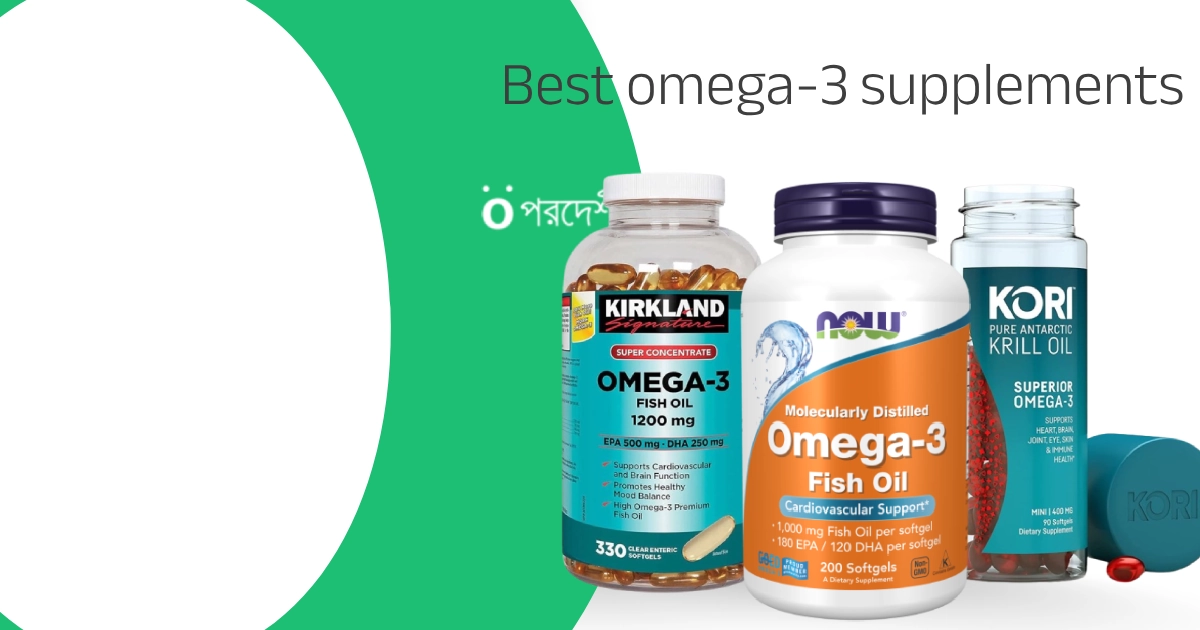
Kori Krill Oil Multi-Benefit Omega-3
Kori Krill Oil Multi-Benefit Omega-3 is a premium supplement that offers numerous health benefits. It is made from krill oil, which is derived from small shrimp-like marine animals found in the pristine waters of the Antarctic. This oil is known to contain high levels of essential omega-3 fatty acids, including EPA and DHA.
Unlike other omega-3 supplements, Kori Krill Oil Multi-Benefit Omega-3 is unique because it contains a powerful combination of EPA and DHA in their naturally occurring phospholipid form. These phospholipids facilitate better absorption and utilization by the body, making them an excellent source of omega-3 fatty acids.
With each serving, Kori Krill Oil Multi-Benefit Omega-3 provides a generous amount of EPA and DHA. It contains 250 milligrams of EPA and 120 milligrams of DHA per 2 softgel capsules. These fatty acids are known for their numerous benefits, including supporting cardiovascular, cognitive, joint, and immune health.
Additionally, this supplement contains astaxanthin, a naturally occurring antioxidant. Astaxanthin helps protect omega-3 fatty acids from oxidation, maintaining the product’s freshness and potency.
What sets Kori Krill Oil Multi-Benefit Omega-3 apart is its sustainability. It is made from krill oil sourced from fisheries that adhere to strict sustainability guidelines. This ensures the delicate Antarctic ecosystem is preserved while providing a high-quality source of omega-3 fatty acids.
In summary, Kori Krill Oil Multi-Benefit Omega-3 is a top-quality supplement that offers a unique combination of EPA and DHA in their phospholipid form. With added astaxanthin and sustainable sourcing, it is an excellent choice for individuals looking to support their overall health and well-being.
Nature’s Blend Omega-3 Fish Oil
Nature’s Blend Omega-3 Fish Oil is a high-quality supplement that offers numerous health benefits. Each serving contains 1,000mg of fish oil concentrate, delivering 300mg of EPA and DHA, two essential omega-3 fatty acids. These fatty acids play a crucial role in supporting cardiovascular health, brain function, and joint health.
One standout feature of Nature’s Blend Omega-3 Fish Oil is its molecular distillation process. This ensures that the product is free from impurities, including harmful mercury. By removing potential contaminants, this fish oil concentrate provides a pure, safe source of omega-3s.
Supplementing with Nature’s Blend Omega-3 Fish Oil can improve your overall well-being. EPA and DHA have been linked to reduced triglyceride levels, promoting a healthy heart. They also support cognitive function, helping to maintain brain health. Additionally, these omega-3 fatty acids can help manage inflammation, supporting joint health.
Nature’s Blend Omega-3 Fish Oil is a reliable and convenient way to incorporate omega-3s into your daily routine. By choosing this high-quality supplement, you can enjoy the benefits of EPA and DHA without worrying about mercury contamination. Improve your overall health with Nature’s Blend Omega-3 Fish Oil and experience the difference it can make in your well-being.
Natrol Omega-3 Fish Oil Heart Health
Natrol Omega-3 Fish Oil Heart Health is a high-quality supplement that provides a concentrated dose of omega-3 fatty acids to support cardiovascular well-being. Each serving of this supplement contains 1,200 milligrams of omega-3s, including specific amounts of eicosapentaenoic acid (EPA) and docosahexaenoic acid (DHA).
This fish oil supplement is formulated using a blend of fish sources, including sardine, anchovy, and mackerel. It is molecularly distilled to remove potentially harmful substances such as PCBs, heavy metals, and pesticides, making it a safe choice for daily omega-3 supplementation.
One notable aspect of the Natrol Omega-3 Fish Oil Heart Health supplement is its lemon flavoring. This addition enhances the taste of the fish oil, making it a more pleasant addition to your daily routine.
By incorporating Natrol Omega-3 Fish Oil Heart Health into your diet, you can benefit from the numerous advantages omega-3 fatty acids offer for heart health. EPA and DHA have been shown to support cardiovascular function and may help maintain healthy triglyceride levels. Additionally, omega-3s have been linked to improved brain function and overall well-being.
Choose Natrol Omega-3 Fish Oil Heart Health to conveniently and efficiently meet your daily omega-3 needs.
Benefits of Omega-3 Supplements
Omega-3 supplements offer a wide range of benefits for overall health and well-being. One of the primary areas where omega-3 fatty acids shine is heart health. Research has shown that these essential fats, specifically EPA and DHA, can support cardiovascular function and help maintain healthy triglyceride levels.
But the advantages of omega-3s don’t stop there. They also play a crucial role in cognitive function. Numerous studies have suggested that omega-3 fatty acids are important for brain health, potentially enhancing memory and improving overall cognition.
In addition, omega-3 supplements have been linked to improved vision. The omega-3 fatty acids, particularly DHA, are vital components of the retina in our eyes, supporting optimal eye health and visual acuity.
For expectant mothers, omega-3 supplementation can provide essential support during pregnancy. DHA is crucial for the development of the brain and eyes in infants, and it is recommended that pregnant women consume adequate omega-3 fatty acids to support healthy fetal development.
Omega-3s are also well-known for their potential to alleviate symptoms of joint pain and improve joint mobility, making them a popular choice for individuals with conditions such as rheumatoid arthritis.
Furthermore, these fatty acids may have a positive impact on mood and mental well-being. Research suggests that omega-3 supplementation may help reduce symptoms of depression and anxiety.
Other potential benefits of omega-3 supplements include supporting bone health and boosting immune function. Omega-3s have been shown to help maintain bone density and strength, as well as enhance immune response.
Overall, incorporating omega-3 supplements into your daily routine may provide a host of benefits for heart health, cognition, vision, joint mobility, mood, bone health, and immunity. EPA and DHA, the key omega-3 fatty acids, contribute to these advantages through their antioxidant and anti-inflammatory properties.
Please note that while omega-3 supplements can offer significant health benefits, it’s always advisable to consult with a healthcare professional before starting any new supplement regimen.
1. What are omega-3 supplements and why are they important?
Omega-3 supplements are dietary supplements that contain essential fatty acids called omega-3s. These fatty acids are vital for various aspects of our health, including heart health, brain function, and joint mobility. Since our bodies cannot produce omega-3s on their own, supplementation becomes crucial to ensure we meet our daily requirements.
2. What are the potential health benefits of omega-3 supplements?
Omega-3 supplements have been linked to numerous health benefits. They play a significant role in promoting cardiovascular health by reducing triglyceride levels, lowering blood pressure, and decreasing the risk of heart disease. Additionally, omega-3s are known to enhance brain function, improve cognition, and support overall mental well-being. They also provide relief from joint pain, promote healthy bones, boost immune function, and may even alleviate symptoms of depression and anxiety.
3. What are EPA and DHA, and how do they contribute to heart health and brain function?
EPA (eicosapentaenoic acid) and DHA (docosahexaenoic acid) are two types of omega-3 fatty acids. EPA helps reduce inflammation, maintain healthy blood vessels, and prevent blood clotting, which is crucial for cardiovascular health. DHA, on the other hand, is a major component of the brain and eyes, supporting optimal brain function and visual acuity.
4. What is the recommended daily intake of omega-3s?
The American Heart Association recommends consuming 1-2 servings of fatty fish per week, which provides approximately 250-500 mg of combined EPA and DHA. For those who do not consume enough fish, supplementation is an effective way to meet the recommended daily intake.
5. What are the symptoms of omega-3 deficiency?
Common symptoms of omega-3 deficiency include dry skin, brittle nails, joint pain, poor concentration, fatigue, and mood swings. If you experience these symptoms, incorporating omega-3 supplements into your diet may help alleviate them and improve your overall health.
In conclusion, omega-3 supplements are essential for various aspects of our health and well-being. They offer a wide range of benefits, including support for heart health, brain function, joint mobility, and the immune system. By incorporating these supplements into your daily routine, you can ensure your body receives the omega-3 fatty acids it needs for optimal health.