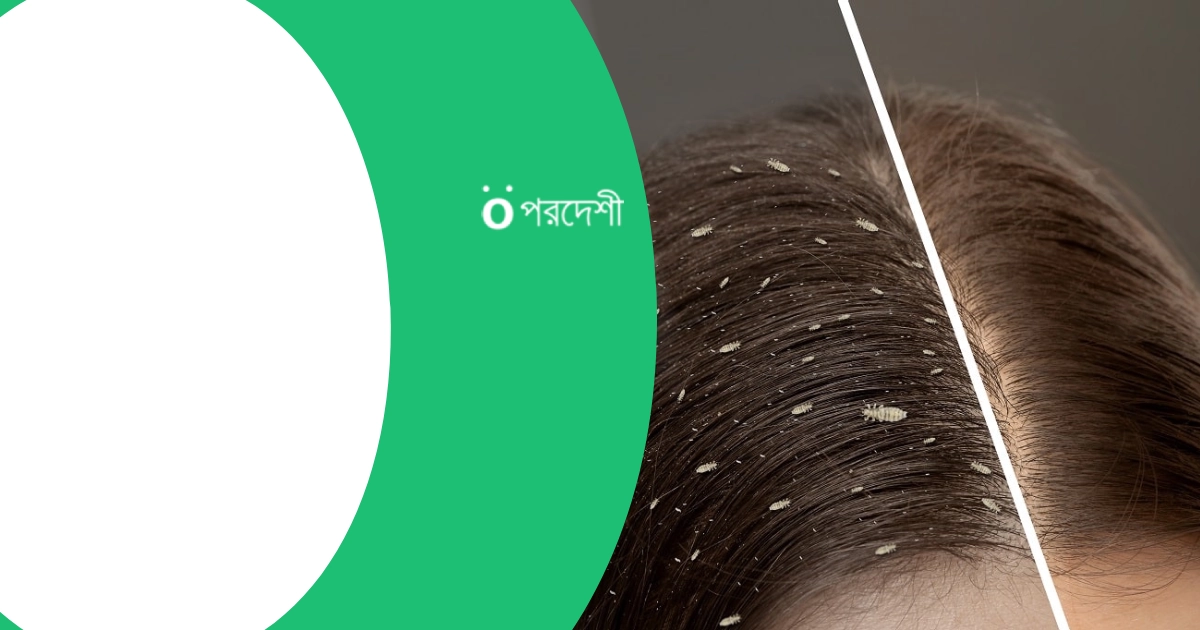
Lice infestations can be distressing for both children and adults, causing itching, scalp irritation, and embarrassment. Understanding the life cycle, behavior, and treatment options for lice is crucial for combating and preventing infestations. This article explores various methods for removing lice from hair, providing knowledge and tools to tackle this common problem effectively.
What are lice?
Lice are a common pest that loves to camp in our hair. They’re like that annoying neighbor who never leaves and constantly borrows your shampoo.
Types of lice commonly found in hair
Head, body, and pubic lice are three common hair-related lice types, with distinct preferences but all being unwelcome guests.
The impact of lice infestation on hair and scalp
Having lice is not just a case of having some extra companions in your hair; it can also cause a range of unpleasant symptoms. From itchiness and irritability to redness and inflammation, lice infestations can turn your hair into a mini-battlefield.
Understanding the life cycle and behavior of lice
Overview of the lice life cycle
Lice have a life cycle that can be compared to a never-ending soap opera. They start as eggs, or nits, which hatch into nymphs that grow into adult lice. And just when you think the drama is over, these adult lice start laying eggs, and the cycle continues.
How lice spread and infest hair
Lice are like tiny ninjas that can jump from one head to another with ease. Direct head-to-head contact or the sharing of personal items like hats, combs, or headphones are two ways they spread.
The causes of head lice infestations
Lice infestations are not due to poor hygiene; they are equal-opportunity invaders, affecting anyone regardless of cleanliness, frequency, or shampoo used. So don’t worry; your showering habits are safe.
Identifying the signs and symptoms of lice infestation
Common symptoms of lice infestation
Identify lice by noticing itching, especially around the scalp and neck, as a classic symptom. You may also notice small red bumps or sores caused by lice bites or scratches.
How to perform thorough lice check
Performing a lice check is like being a detective in your hair. Grab a fine-toothed comb and start combing through your hair section by section, paying close attention to the scalp. Look out for any adults, nymphs, or nits sticking to the hair shafts.
Distinguishing lice eggs (nits) from other hair debris
Nits are pesky little things that can be mistaken for dandruff or other hair debris. They’re small and oval-shaped, but unlike dandruff, they’re stubbornly glued to the hair shaft. So if something is clinging for dear life to your strands, it’s probably a nit.
Exploring different methods for treating lice
Overview of lice treatment options
To combat lice, consider over-the-counter treatments, natural remedies, or professional help, including natural remedies and professional help. It’s like picking your weapon in the battle against these tiny hair invaders.
Pros and cons of different lice removal methods
Each lice removal method has its strengths and weaknesses. Over-the-counter treatments can be harsh on hair, while natural remedies are gentler but require patience and perseverance. Professional help offers expertise but can be expensive.
Choosing the most suitable treatment approach
The optimal treatment method depends on personal preference and infestation severity. Experiment and find the method that suits you best, as what works for one person may not work for another. Just remember, patience and persistence are key; lice removal is not a one-time affair.
Now go forth and reclaim your hair from these uninvited guests!
A step-by-step guide for manual lice removal
Preparing the necessary tools for lice removal
Say goodbye to lice-infested hair with these handy tools! Before you begin the task of manual lice removal, make sure you have the following items at your disposal:
- Fine-toothed comb: Look for a lice comb specifically designed to catch and remove these pesky critters. Its close-set teeth will help you comb out both lice and their eggs (nits) effectively.
- Sectioning clips: These nifty little clips will make your life easier by keeping your hair neatly divided into sections as you comb through them.
- Magnifying glass: While not necessary, a magnifying glass can be handy for detecting those tiny nits that may try to escape your eagle eyes.
Wet combing technique for lice removal
Now that you’re armed with the right tools, it’s time to get down to business. Follow these steps for a successful manual lice removal session:
- Start by thoroughly soaking your hair. This will make it easier to comb through and will also prevent lice from scurrying away from the comb.
- Using a regular comb, detangle your hair and remove any knots or tangles.
- Once your hair is detangled, switch to the fine-toothed lice comb. Begin combing from the roots and work your way to the ends of your hair. Be thorough, making sure to comb every section of your hair.
- Wipe the comb with a tissue or paper towel after each stroke to remove trapped lice or nits.
- Comb through the entire head, section by section, until the scalp is covered.
- Repeat the process every three to four days for a couple of weeks to eradicate lice and nits.
Proper disposal of lice and nits
After evicting lice, dispose of them properly to prevent re-infestation and ensure a clean environment. Also, you must do:
- Seal lice and nits in a sealed plastic bag with tissue or paper towels.
- Tie the bag tightly to ensure no lice or nits can escape.
- Dispose of the bag in an outdoor trash bin or follow your local waste disposal guidelines to ensure safe and proper disposal.
- Overview of chemical and non-chemical lice treatments
Understanding chemical treatments for lice
When it comes to combating lice, chemical treatments are often considered a reliable option. Treatments containing active ingredients kill lice and nits using shampoos or lotions. Follow instructions carefully and consult a healthcare professional if concerns arise.
Exploring natural and non-toxic alternatives
For those seeking a natural approach or avoiding chemical treatments, essential oils like tea tree or neem oil have lice-repelling properties and are non-toxic alternatives.
Considering the safety and efficacy of different treatments
Consider the safety and effectiveness of chemical and non-chemical treatments when choosing. Research products and consult with healthcare professionals for informed decisions. Be open to trying different options if needed, as what works for one person may not suit another.
Preventive measures and strategies to avoid re-infestation
Cleaning and disinfecting personal items
Prevent lice by cleaning and disinfecting personal items like clothing, bedding, and towels with hot water, and high-heat drying. If items cannot be washed, seal them in a plastic bag for a few weeks to suffocate any lingering lice or nits.
Effective hygiene practices to prevent lice infestation
Prevent lice infestations by promoting good hygiene habits, encouraging regular hair washing, and teaching children not to share hair-related items like combs, brushes, or hats.
Education and awareness for lice prevention
Spread the word and raise awareness about lice prevention. Inform schools, daycare centers, and other institutions about the importance of regular checks and early detection. By working together, we can minimize the spread of these unwanted guests.
Expert tips and advice for maintaining lice-free hair
Recommended hair care routines to prevent lice
Consider implementing the following advice into your normal hair care regimen to keep pesky lice at bay:
Avoid contact with others, tie long hair back in braids, buns, or ponytails, and use lice-repelling products like shampoos or sprays as a preventive measure.
Regular monitoring and early detection of lice
Regularly check your hair and that of family members for signs of lice to prevent infestations and ensure early detection.
Frequently Asked Questions (FAQ)
- How long does it take to rid hair of lice?
Lice removal is a time-consuming and thorough process that requires patience and thoroughness. The duration varies based on infestation severity, method, and individual circumstances. Consistent treatment and regular checks are crucial to eliminating all lice and their eggs. It may take several weeks to eliminate lice from the hair.
- Can lice survive off the scalp or in the environment?
Lice rely on human scalp blood for survival and reproduction and can only survive for a day or two. You don’t infest household items, but it’s advisable to wash and dry recently used bedding, clothing, or personal items to reduce re-infestation risk.
- Are chemical treatments the only effective option for removing lice?
Chemical treatments are effective in removing lice, but manual techniques like wet combing and natural remedies are also viable. Treatment choice depends on personal preference, sensitivity to chemicals, and healthcare professionals’ advice. Less-researched treatments may also be considered.
- How can lice infestations be prevented in the future?
To prevent lice infestations, follow personal hygiene practices and take proactive measures. Regularly washing and drying hair, avoiding contact with infested individuals, and refraining from sharing personal items like hats, brushes, and combs can minimize lice transmission risk. Educate family members, especially children, about personal hygiene and lice infestation dangers.