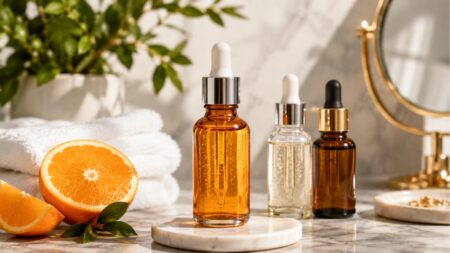
The best vitamin C serum for face in 2026 combines a stable form of vitamin C with proven support ingredients. Vitamin E and ferulic acid boost its brightening power. SkinCeuticals C E Ferulic leads dermatologist recommendations for firmness and glow. TruSkin Vitamin C Serum offers a gentle, budget-friendly entry point for first-time users.
You want a formula that brightens skin, fades dark spots, and protects against pollution and UV damage. This guide compares 5 top serums and explains how to pick the right concentration for your skin type. You’ll also find storage tips for hot, humid climates, a quick-reference routine table, and 5 direct answers to common questions. Real results depend on consistency, so treat vitamin C serum as a long-term habit rather than a quick fix.
What Is the Best Vitamin C Serum for Face in 2026?
The best vitamin C serum for face in 2026 pairs 10% to 20% L-ascorbic acid with supporting antioxidants. A stable derivative works better for reactive skin. SkinCeuticals C E Ferulic ranks first among dermatologists, combining 15% L-ascorbic acid, 1% vitamin E, and ferulic acid. This trio fights environmental aging and evens skin tone within weeks of regular use. Independent lab testing confirms the formula maintains potency for 6 months after opening when stored correctly.
Budget and skin sensitivity narrow your options fast. Five formulas stand out across price points and skin needs in 2026, each suited to a distinct goal. Newer entries from Naturium and Ole Henriksen also earn strong marks for value and gentle daily use.
5 Top-Rated Vitamin C Serums for 2026
- SkinCeuticals C E Ferulic delivers 15% L-ascorbic acid for dermatologist-backed brightening results, priced near $180.
- TruSkin Vitamin C Serum uses Sodium Ascorbyl Phosphate (SAP) for gentle, beginner-friendly application at an affordable price point.
- Paula’s Choice C15 Super Booster combines 15% L-ascorbic acid with peptides for experienced users seeking visible anti-aging results.
- CeraVe Skin Renewing Vitamin C Serum adds ceramides for dry or barrier-compromised skin, backed by dermatologist testing.
- Mad Hippie Vitamin C Serum offers an SAP-based formula priced under $35, ideal for sensitive or acne-prone skin.
Each product suits a different budget and skin goal. Match your pick to your skin type before your concentration preference, since comfort drives consistent daily use. A serum you enjoy applying gets used correctly, while an irritating one often sits unused in a drawer.
What Does Vitamin C Serum Do for Your Face?
Vitamin C serum protects skin from free radical damage and boosts collagen production. Daily use for 12 weeks reduces visible wrinkles. It also improves dermal collagen, based on randomized controlled trials on topical ascorbic acid.
How Vitamin C Fights Free Radical Damage
To fight free radical damage, vitamin C neutralizes unstable molecules created by pollution, cigarette smoke, and UV rays. These molecules break down collagen and trigger premature dark spots and fine lines. Ascorbic acid donates electrons to these molecules, stopping damage before it reaches deeper skin layers. This antioxidant action also calms visible redness caused by daily environmental stress. City traffic exposure and construction dust raise your daily free radical load significantly. Antioxidant protection becomes especially useful for daily commuters in dense urban areas.
How Vitamin C Supports Collagen Production
To support collagen production, vitamin C acts as a required cofactor for 2 enzymes. Prolyl hydroxylase and lysyl hydroxylase both need vitamin C to function. These enzymes stabilize collagen’s structure inside your skin. Pairing a topical serum with a collagen with vitamin C supplement reinforces this process from the inside out. Skin firmness improves faster when both approaches work together over several months.
How to Choose the Best Vitamin C Serum for Face
To choose the best vitamin C serum for face, pick 10% to 20% L-ascorbic acid, or a stable derivative, if you have sensitive skin. Sodium Ascorbyl Phosphate (SAP) works well for reactive skin types. Concentrations above 20% raise irritation risk without adding extra benefit. This guidance comes from board-certified dermatologist Dr. Dendy Engelman.
Vitamin C Concentration That Works Best
Beginners get the best results starting at 5% to 10% concentration. Experienced users tolerate 15% to 20% L-ascorbic acid for stronger brightening effects. Skin sensitivity, not experience level alone, determines your ideal starting point. Increase concentration gradually over 4 to 6 weeks to avoid sudden irritation.
Stable Forms of Vitamin C to Look For
Look for 3 stable derivatives: Sodium Ascorbyl Phosphate (SAP), Magnesium Ascorbyl Phosphate (MAP), and 3-O-Ethyl Ascorbic Acid. These forms resist oxidation better than pure L-ascorbic acid. Amber or opaque packaging protects any formula from light and air exposure. A vacuum-sealed pump bottle keeps oxygen away from the formula between uses. Clear glass droppers look elegant but expose the formula to light with every use, shortening its effective shelf life.
Best Vitamin C Serum for Face by Skin Type
The best vitamin C serum for face depends on your skin type. Oily, dry, and sensitive skin all respond differently to active ingredients. Combination skin often benefits from a lightweight serum applied evenly across the face. Add extra moisturizer only to drier patches on the cheeks.
Best Vitamin C Serum for Oily Skin
Oily skin performs best with lightweight, water-based serums such as Ole Henriksen Banana Bright and Naturium Vitamin C Complex Serum. These formulas absorb fast without adding shine. Avoid thick, oil-based serums that can clog pores and trigger breakouts. Niacinamide-blended options also help control excess shine through the day.
Best Vitamin C Serum for Dry Skin
Dry skin needs a hydrating serum like CeraVe Skin Renewing Vitamin C Serum or Dr. Barbara Sturm The Good C. Both formulas pair vitamin C with hyaluronic acid and ceramides. Follow application with a rich moisturizer to lock in hydration. Cream-based serums outperform water-based options for skin that feels tight or flaky.
Best Vitamin C Serum for Sensitive Skin
Sensitive skin tolerates SAP-based serums like Mad Hippie Vitamin C or TruSkin Vitamin C Serum better than pure L-ascorbic acid. Patch test any new serum for 3 days before applying it to your full face. Pair your morning vitamin C serum with one of the whitening night creams for round-the-clock brightening support. Stop use immediately if redness or stinging lasts beyond 10 minutes.
How to Use Vitamin C Serum on Your Face
To use vitamin C serum on your face, apply it to clean, dry skin every morning before moisturizer and sunscreen. A pea-sized amount, roughly 0.2 fl oz (6 ml), covers your full face and neck. Press the serum gently into skin rather than rubbing it in. Wait 60 seconds before layering your next product.
Vitamin C Serum Routine Quick Reference
| Task | Timing | Method | Difficulty |
| Cleanse face | Morning and night | Gentle cleanser, lukewarm water | Easy |
| Apply vitamin C serum | Morning only | 3 to 4 drops, pat into skin | Easy |
| Apply moisturizer | Morning and night | Layer over serum | Easy |
| Apply sunscreen SPF 30+ | Morning only | Last step, reapply every 2 hours | Easy |
| Patch test new serum | Before first use | Inner arm, wait 24 hours | Moderate |
| Store serum properly | Daily | Cool, dark cabinet below 77°F (25°C) | Easy |
Best Time to Apply Vitamin C Serum
Morning application works best because vitamin C adds antioxidant protection against daytime UV and pollution exposure. Apply it after cleansing and toning, then follow with moisturizer and sunscreen rated SPF 30 or higher. Night application still works if morning irritation occurs, since collagen repair happens fastest during sleep.
What Ingredients Pair Well With Vitamin C Serum?
Vitamin C serum pairs well with hyaluronic acid, vitamin E, ferulic acid, and daily sunscreen. Niacinamide also works safely alongside modern, stabilized vitamin C formulas. Retinol and strong exfoliating acids work better in a separate routine step. Apply these stronger actives at night, after your vitamin C serum has fully absorbed in the morning. Alpha hydroxy acids and benzoyl peroxide can also destabilize certain vitamin C formulas. Introduce new actives one at a time and watch your skin’s response for 1 week before adding another.
How to Store Vitamin C Serum in Hot, Humid Climates
To store vitamin C serum in hot, humid climates, keep bottles below 77°F (25°C). A cabinet away from direct sunlight works well. Heat and humidity accelerate oxidation, turning clear serums yellow or brown within weeks. Refrigeration between 39°F and 46°F (4°C to 8°C) extends shelf life by up to 2 months. Bathroom cabinets trap steam and heat, making them a poor storage spot for any vitamin C formula. Kitchen counters near stoves cause similar damage from ambient heat. Monsoon-season humidity affects storage too. This season runs across Bangladesh from June through September and speeds up oxidation even in sealed bottles. A bedroom drawer or refrigerator door shelf works better than an open shelf during these months.
Vitamin C Serum Price Guide
Vitamin C serums range from $15 to $180 depending on concentration and supporting ingredients. Budget serums under $25, such as TruSkin and Mad Hippie, use stable derivatives like SAP for reliable results. Mid-range serums between $30 and $70 often add peptides, niacinamide, or hyaluronic acid for extra benefits. Premium serums above $100, such as SkinCeuticals C E Ferulic, use clinically studied concentrations backed by published research.
Higher price does not always mean better results for every skin type. Match your spending to your specific skin goal instead of the highest number on the label. A $20 SAP-based serum often outperforms a $150 L-ascorbic acid formula for someone with reactive, easily irritated skin.
Common Vitamin C Serum Mistakes to Avoid
The most common mistake is skipping sunscreen after applying vitamin C serum, which cancels out its antioxidant benefits. Unprotected skin loses much of the serum’s brightening effect within hours of UV exposure. Reapply sunscreen every 2 hours during direct sun exposure to maintain full protection.
Six habits reduce vitamin C serum effectiveness:
- Mixing vitamin C with retinol within the same routine step
- Applying vitamin C serum to wet skin, which dilutes potency
- Storing bottles near windows or bathroom mirrors
- Using expired serum that has turned dark yellow or brown
- Layering more than 3 active ingredients in one routine
- Skipping the patch test before first-time use
Each habit above weakens results even when the serum formula itself works well. Small routine adjustments protect your investment and speed up visible progress.
Who Should Avoid Certain Vitamin C Serum Formulas?
Skin with active eczema, rosacea, or open acne lesions reacts poorly to high-strength L-ascorbic acid. Choose a low-concentration SAP or MAP formula instead, or pause vitamin C serum until the flare-up clears. Users on prescription retinoids or strong exfoliating treatments should separate vitamin C into a different part of the day. Consult a dermatologist before combining multiple active ingredients if you have a diagnosed skin condition. Discontinue use and seek medical advice if swelling, blistering, or persistent burning develops after application.
Vitamin C Serum vs Vitamin C Tablets for Skin Health
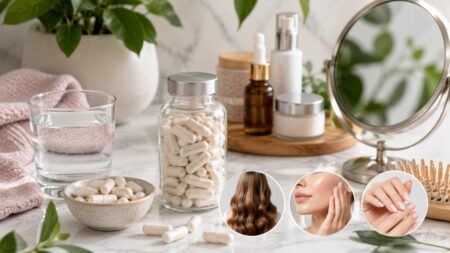
Vitamin C serum delivers the vitamin directly to skin cells. These instead support collagen production from within the body. Topical application reaches skin cells at a far higher concentration than diet alone typically provides.
Vitamin C tablets fill nutritional gaps, especially if your diet lacks citrus fruits, guava, and amla. Serum works faster on visible concerns like dark spots and dullness. Most dermatologists recommend combining both approaches for complete skin support. Internal and external pathways address different layers of skin health simultaneously. Neither approach replaces the other. Serum cannot fix a dietary deficiency, and tablets cannot deliver a concentrated dose directly to the skin surface. Oral vitamin C also supports immune function, wound healing, and iron absorption, benefits a topical serum cannot provide. A daily tablet costs less per month than most premium serums, making it a practical addition rather than a replacement. Choose a tablet with 500 mg to 1,000 mg of vitamin C for general skin and immune support.
Frequently Asked Questions
Is vitamin C serum safe to use every day?
Yes. Daily morning use is safe for most skin types when paired with sunscreen. Reduce frequency to every other day if irritation occurs.
Can you use vitamin C serum with niacinamide?
Yes. Vitamin C and niacinamide work well together in modern, stabilized formulas. Older claims about irritation reflect outdated, less stable formulations from earlier decades.
Does vitamin C serum lighten skin permanently?
No. Vitamin C serum fades dark spots and temporarily brightens tone, requiring continued use. Stopping use allows pigmentation to return gradually over several months.
How long does it take to see results from vitamin C serum?
Most users notice brighter skin within 4 to 6 weeks of daily use. Full results for dark spots take 8 to 12 weeks of consistent application.
Can pregnant women use vitamin C serum?
Yes. Topical vitamin C is considered safe during pregnancy, unlike some retinoid-based products. Confirm the choice with your doctor before starting any new skincare routine.
Final Word on the Best Vitamin C Serum for Face
The best vitamin C serum for face in 2026 works best when paired with daily sunscreen and consistent use. Proper storage in hot climates protects your investment year-round. Start with a stable, lower-concentration formula if you’re new to vitamin C, then build up as your skin adjusts. Track your progress with a monthly photo taken in the same lighting. Gradual brightening is easy to miss day to day without a visual record. For a complete inside-and-out approach to brighter skin, check our vitamin C tablets guide. Add oral support to your routine for results that build from both directions.