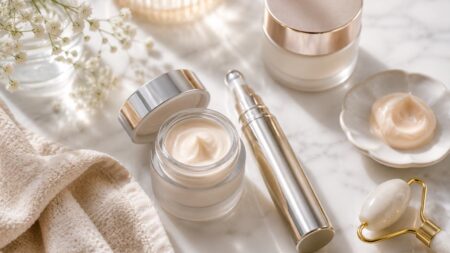
The best anti-aging eye cream for dark circles in 2026 pairs retinol or peptides for collagen support with vitamin C or niacinamide for pigmentation control. You need a formula matched to your specific dark circle type, not a generic eye product picked at random.
Skin around your eyes measures roughly 40% thinner than the rest of your face, with fewer oil glands to keep it hydrated. This thin structure shows fine lines, puffiness, and dark circles before any other area on your face.
This guide ranks 7 dermatologist-recommended eye creams for 2026, breaks down the 3 distinct causes of dark circles, and shows you how to match ingredients to your specific concern. You will also find a results timeline table, a section for melanin-rich skin, and 5 common mistakes to avoid.
What Is the Best Anti-Aging Eye Cream for Dark Circles in 2026?
A cream that combines retinol for collagen support with niacinamide or vitamin C for pigmentation control delivers the strongest results for dark circles in 2026. Ceramides and hyaluronic acid add a third layer of support by repairing your skin barrier and locking in moisture around the delicate orbital bone.
Dermatologists at brands like CeraVe, Neutrogena, and RoC build their eye creams around 3 shared goals: collagen stimulation, pigment control, and barrier repair. Matching your product to your dark circle cause matters more than chasing the highest price tag.
What Causes Dark Circles Under Your Eyes?
Dark circles come from 3 distinct causes: visible blood vessels, excess melanin, or volume loss, and each cause needs a different ingredient strategy. Many people have 2 causes at once, which is why a single ingredient rarely solves the full problem.
Vascular Dark Circles Come From Visible Blood Vessels
Vascular dark circles appear blue or purple because thin under-eye skin lets blood vessels show through. Retinol thickens this skin over 8 to 12 weeks, while caffeine offers a temporary fix by constricting blood vessels within 15 to 30 minutes.
Pigmentation Dark Circles Come From Excess Melanin
Pigmentation dark circles appear brown due to excess melanin production in the periorbital area. Niacinamide, vitamin C, and kojic acid interrupt melanin transfer and lighten this discoloration over 4 to 8 weeks of consistent use.
Structural Dark Circles Come From Volume Loss
Structural dark circles form hollow shadows when fat pads shrink or bone resorption occurs with age. No topical eye cream fully corrects this cause. A board-certified dermatologist can discuss hyaluronic acid filler for deeper structural loss.
Check your under-eye area in natural daylight with a hand mirror tilted 45 degrees (0.79 rad). Brown coloring signals pigmentation, blue-purple signals vascular circles, and a shadow that deepens when you tilt your head signals structural hollowing.
Many people carry 2 causes at once, most often vascular and pigmentation circles together. A layered routine that pairs a caffeine-based gel with a niacinamide cream addresses both mechanisms without overloading your skin with actives.
What Ingredients Should You Look for in an Anti-Aging Eye Cream?
Retinol, vitamin C, niacinamide, caffeine, peptides, hyaluronic acid, and ceramides give an eye cream the tools to target every dark circle cause. No single ingredient handles all 3 causes, so check the label against your specific concern before you buy.
Retinol Rebuilds Collagen and Thickens Skin
Retinol stimulates fibroblasts, the cells responsible for collagen production, and speeds up surface cell turnover. Start with application 2 to 3 nights per week for the first 2 to 4 weeks, then increase to nightly use once your skin adjusts.
Vitamin C and Niacinamide Target Pigmentation
Vitamin C (ascorbic acid) blocks tyrosinase, the enzyme responsible for melanin production, while niacinamide (vitamin B3) interrupts melanin transfer to surface skin cells. Together, these 2 ingredients address brown-toned dark circles within 4 to 8 weeks.
Caffeine and Peptides Reduce Puffiness Without Irritation
Caffeine temporarily constricts blood vessels, reducing morning puffiness within 15 to 30 minutes of application. Peptides such as Matrixyl 3000 and Argireline signal your skin to produce more collagen and elastin without retinol’s irritation risk.
Hyaluronic Acid and Ceramides Restore Hydration
Hyaluronic acid draws moisture into your skin and plumps fine lines within 24 hours. Ceramides, particularly types 1, 3, and 6-II, rebuild your skin barrier and reduce transepidermal water loss (TEWL) around the fragile orbital area.
SPF Protects Your Investment in Every Other Ingredient
Broad-spectrum SPF prevents the ongoing collagen breakdown that undoes retinol, vitamin C, and peptide benefits at once. Only 1 product in this guide, RoC Retinol Correxion, combines SPF 30 with retinol in a single tube.
Apply a separate facial sunscreen over any eye cream that lacks SPF, since eye formulas alone rarely cover the full orbital area. UV exposure remains the single largest driver of periorbital collagen loss, ahead of natural aging alone.
How to Apply Eye Cream for Maximum Anti-Aging Results
To apply eye cream for maximum anti-aging results, use your ring finger to pat a rice-grain-sized amount along your orbital bone, working from the inner corner outward. This technique protects the thinnest skin on your face from unnecessary pulling.
Use the Ring Finger to Pat, Not Rub
Your ring finger applies the lightest pressure of all 5 fingers, which protects the fragile skin around your eyes. Pat gently instead of rubbing, and never apply product directly on your eyelid or lash line.
Apply Eye Cream Before or After Moisturizer
Apply your eye cream before your face moisturizer, since eye formulas carry a lighter texture designed to absorb into thin skin first. Wait 60 seconds, then layer your regular moisturizer and sunscreen on top.
How Long Does It Take for Anti-Aging Eye Cream to Show Results?
Caffeine reduces puffiness within 15 to 30 minutes, hyaluronic acid plumps fine lines within 24 hours, niacinamide brightens pigmentation within 4 to 8 weeks, and retinol reduces wrinkle depth within 8 to 12 weeks.
Most people abandon a new eye cream around week 4 or 5, right before retinol begins driving the structural changes that have not yet become visible. Consistency across 8 to 12 weeks separates visible results from a wasted purchase.
Peak collagen remodeling from retinol continues building through 24 to 52 weeks of sustained nightly use. Photograph your under-eye area in the same lighting every 4 weeks rather than checking a mirror daily, since daily changes are too small to notice.
Anti-Aging Eye Cream Routine at a Glance
| Task | Timing | Method | Difficulty |
| Patch test new product | 24 hours before first use | Apply behind ear, check for reaction | Easy |
| Apply eye cream | Morning and night | Ring finger, pat along orbital bone | Easy |
| Introduce retinol | 2 to 3 nights per week, weeks 1-4 | Pea-sized amount for both eyes | Moderate |
| Track pigmentation change | Every 4 weeks | Photo in the same natural lighting | Easy |
| Reassess your routine | Every 12 weeks | Compare before and after photos | Moderate |
7 Best Anti-Aging Eye Creams for Dark Circles in 2026 (Tested Picks)
These 7 picks represent the best anti-aging eye cream across retinol, peptide, and barrier-repair formulas, each chosen for ingredient strength and dark circle type match.
1. Neutrogena Rapid Wrinkle Repair Retinol Pro+ Eye Cream
This drugstore retinol formula uses an accelerated retinol SA complex alongside hyaluronic acid for simultaneous collagen stimulation and hydration. Most users see measurable fine line reduction within 7 days, though full results take 8 to 12 weeks.
2. CeraVe Eye Repair Cream
CeraVe blends 3 essential ceramides with niacinamide and hyaluronic acid for a fragrance-free, barrier-first formula. This cream suits sensitive, reactive, and eczema-prone skin better than any retinol-based competitor in this list.
3. RoC Retinol Correxion Eye Cream Mini with SPF 30
RoC pairs retinol with mineral SPF 30 in a single tube, addressing both collagen loss and the UV exposure that accelerates it. Tube packaging also protects the retinol formula from air and light better than jar alternatives.
4. Olay Eyes Pro Retinol Eye Cream
Olay combines retinol with niacinamide (vitamin B3) through a proprietary amino-peptide complex, targeting crow’s feet and pigmentation together. The lightweight texture layers cleanly under concealer without pilling.
5. Kiehl’s Avocado Eye Treatment
Kiehl’s relies on avocado oil, shea butter, and beta-carotene to restore a compromised lipid barrier in dry, mature under-eye skin. This rich formula lacks retinol, so pair it with a separate collagen-stimulating product for structural aging.
6. La Roche-Posay Toleriane Dermallergo Eye Cream
Formulated for dry, allergy-prone skin, this fragrance-free cream focuses on barrier repair rather than active ingredients. It works well as a gentle base layer underneath a targeted retinol or vitamin C treatment.
7. Good Molecules Yerba Mate Wake Up Eye Gel
This budget gel-cream uses caffeine from yerba mate to reduce morning puffiness within 15 to 30 minutes of application. At under $10, it works as an accessible entry point before investing in a retinol-based formula.
Which Eye Cream Ingredients Should You Avoid?
Denatured alcohol, added fragrance, and essential oils cause the most irritation in the thin skin around your eyes. Irritation from these 3 ingredients can trigger puffiness and redness that mimics the exact problems you bought the eye cream to fix.
Check the ingredient list for synthetic fragrance, listed as parfum or fragrance, since this is the leading cause of allergic reactions in periorbital products. Menthol and peppermint oil create a cooling sensation but offer no lasting anti-aging benefit.
Avoid combining retinol with strong exfoliating acids like glycolic acid or salicylic acid in the same eye routine. Layering 2 active ingredients at once around this delicate area raises your risk of redness and peeling significantly.
Best Anti-Aging Eye Cream Choices for Melanin-Rich Skin in Bangladesh
Niacinamide-first formulas work best for melanin-rich skin in Bangladesh because they brighten pigmentation without the irritation risk that triggers further darkening. Melanin-rich skin responds to irritation with post-inflammatory hyperpigmentation, a process that can deepen dark circles instead of fading them.
Introduce retinol gradually at 0.025% to 0.05% concentration, applied 2 nights per week for the first 4 weeks. Jumping straight to nightly use raises your risk of redness, which can trigger new pigmentation in medium and deep skin tones.
Dhaka’s screen-heavy work culture and dense evening traffic add hours of eye strain and pollution exposure on top of natural aging. Poor sleep from heat and humidity worsens vascular dark circles by widening the blood vessels beneath thin skin.
Pair your eye cream routine with a full-face retinol serum guide to build tolerance gradually across your whole face before increasing frequency around the eyes.
5 Mistakes That Make Dark Circles and Fine Lines Worse
Small application errors undo the benefits of even the best anti-aging eye cream. Watch for these 5 mistakes in your daily routine.
- Skipping SPF after applying retinol. Retinol increases photosensitivity, so unprotected sun exposure accelerates the same collagen breakdown your eye cream fights.
- Applying product too close to your lash line. Product migration into your eye causes irritation and increases your risk of milia bumps.
- Rubbing your eyes throughout the day. Mechanical stress on thin under-eye skin stretches collagen fibers and worsens fine lines over time.
- Expecting overnight results and quitting early. Retinol needs 8 to 12 weeks of consistent use before visible wrinkle reduction appears.
- Using regular face lotion instead of an eye-specific formula. Face products often contain fragrance and heavier oils that trigger milia around the thin orbital area.
Layer a lightweight hyaluronic acid serum under your eye cream if your under-eye area still feels tight by midday.
Frequently Asked Questions About Anti-Aging Eye Cream for Dark Circles
Does eye cream really work for dark circles?
Yes. Eye creams with clinically studied actives like retinol, niacinamide, and vitamin C measurably improve pigmentation and fine lines with 8 to 12 weeks of consistent use.
Is retinol safe to use under the eyes?
Yes. Retinol is safe around the eyes when introduced gradually at a low concentration, starting with 2 to 3 nights per week before moving to nightly use.
Can eye cream fully remove dark circles?
No. Eye cream improves vascular and pigmentation dark circles, but it cannot correct structural hollowing caused by fat pad loss or bone resorption.
How often should you apply anti-aging eye cream?
Apply anti-aging eye cream twice daily, once in the morning and once at night, for consistent collagen and hydration support.
Should I use eye cream in your 20s?
Yes. Starting an eye cream routine in your 20s protects collagen before visible damage appears, which delays fine lines more effectively than starting later.
Choose the Eye Cream That Matches Your Dark Circle Type
The best anti-aging eye cream for dark circles targets your specific cause, whether that means retinol for vascular circles, niacinamide for pigmentation, or ceramides for a compromised barrier. Identify your cause first, then match the ingredient list before you buy.
Track your under-eye area every 4 weeks under the same lighting to confirm real progress. A soft, even, well-hydrated finish after 12 weeks confirms you found the right formula for your skin.
Budget, skin sensitivity, and your dominant dark circle cause should each guide your final pick more than brand reputation alone.
Support pigmentation-type dark circles further with a targeted vitamin C serum, and explore our whitening night cream guide for a complete overnight brightening routine.